Source read intensive sas ssd for Server, Desktop, Laptop
Compare 30 read intensive sas ssd options featuring capacities from 64GB to over 1TB and interface rates up to 600MB/s. These drives support Windows and Linux systems with 3-year warranties and custom logo availability for enterprise needs.
Key considerations
Products List


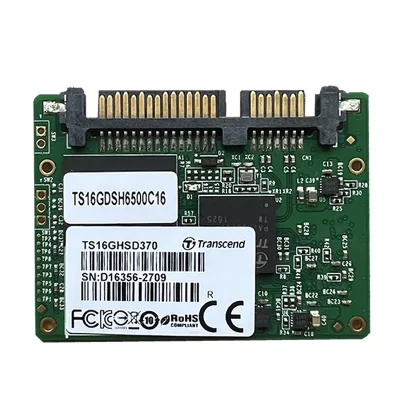
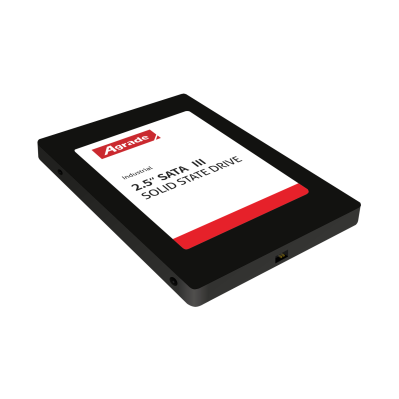


Comprehensive Sourcing Guide
Strategic Sourcing Guide for Read-Intensive SAS SSD Solutions
Understanding the Technical Landscape of Read-Intensive Storage
When sourcing storage solutions for read-intensive workloads, the primary objective is to maximize data retrieval speed while maintaining high reliability and low latency. The market offers a diverse array of Solid State Disks (SSDs) designed to meet these specific demands. Based on current product observations, buyers must distinguish between various interface types and form factors to ensure compatibility with their existing infrastructure. The core keyword "read intensive sas ssd" implies a need for high-throughput storage, yet the available data reveals a spectrum of interface technologies including SATA, MSATA, and NVME, each with distinct performance characteristics.
For read-heavy applications, the interface rate is a critical specification. Observed data indicates interface rates ranging from 300MB/s to 600MB/s for SATA-based protocols, while more advanced NVME configurations demonstrate read speeds up to 2000MB/s. It is essential to verify that the selected drive supports the SAS protocol if the target infrastructure relies on SAS controllers, as SATA and SAS, while often compatible in specific contexts, have different command sets and bus architectures. The presence of models with specific form factors, such as 22x80mm and 30x50mm, suggests that physical constraints in server racks or desktop environments must be carefully evaluated. Furthermore, the distinction between standard SSDs and those with specific cache configurations, such as 4GB or 8GB SSD cache, plays a significant role in handling read requests efficiently. A higher cache capacity often correlates with better performance in random read scenarios, which are common in database and virtualization environments.
Compliance and Certification Verification
In the B2B procurement of enterprise-grade storage, compliance is not merely a formality but a fundamental requirement for risk mitigation. Buyers must rigorously verify that potential suppliers adhere to international safety and environmental standards. The observed product data highlights several key certifications, including CE, FCC, and RoHS. These certifications indicate that the products meet specific electromagnetic compatibility, safety, and restriction of hazardous substances regulations, which are mandatory for deployment in many global markets.
Beyond basic certifications, the data points to specific standards regarding data transfer and physical dimensions. For instance, certain models adhere to a "Data transfer" standard, while others are defined by physical dimensions like 30x50mm or 22x80mm. When sourcing read-intensive SAS SSDs, procurement teams should request documentation proving that the specific batch of products holds valid CE and FCC marks. Additionally, the RoHS compliance is crucial for ensuring the product does not contain restricted hazardous materials, which is often a requirement for corporate sustainability goals and environmental regulations.
Buyers should also scrutinize the "prod_standard" attributes listed in product catalogs. While some entries mention specific physical standards, others refer to performance standards. It is vital to confirm that the "Data transfer" standard mentioned aligns with the actual throughput requirements of the read-intensive application. Without explicit verification, assuming a standard is met can lead to performance bottlenecks. Furthermore, the warranty terms, observed as a 3-year standard in the provided data, serve as a proxy for the manufacturer's confidence in the product's longevity and compliance with quality benchmarks.
Cost Drivers and Pricing Dynamics
The pricing of read-intensive SAS SSDs is influenced by a complex interplay of technical specifications, capacity, and customization requirements. The observed price range in the market spans from $6.6 to $3000, reflecting the vast difference between consumer-grade components and enterprise-class storage solutions. Several key factors drive these costs. First, capacity is a primary determinant; observed capacities range from 64GB to over 1TB, with higher capacities commanding significantly higher prices. Second, the interface type and speed are critical cost drivers. NVME drives with read speeds up to 2000MB/s are priced differently than SATA drives with rates of 300MB/s or 600MB/s.
Customization is another major cost factor. The data indicates that customization is available, including options for custom logos and custom packing. These value-added services often incur additional fees and can impact the final unit cost. The Minimum Order Quantity (MOQ) also plays a role in pricing; observed MOQs range from 1 to 100 units. Buyers purchasing in smaller quantities may face higher per-unit costs compared to those meeting higher volume thresholds. Additionally, the inclusion of specific features like SSD cache (4GB or 8GB) and advanced shock resistance (up to 1500g) contributes to the overall price structure.
When evaluating cost, buyers must look beyond the sticker price. The total cost of ownership (TCO) includes factors such as the Mean Time Between Failures (MTBF), which is observed to be over 1,000,000 hours for some models. A higher MTBF suggests lower long-term replacement costs and reduced downtime. Similarly, the data retention capability, noted as greater than 10 years, ensures that the investment remains viable for archival and long-term storage needs. Therefore, a slightly higher upfront cost for a drive with superior MTBF and data retention may result in significant savings over the product's lifecycle.
Typical Applications and Workload Matching
Read-intensive SAS SSDs are engineered for environments where data retrieval is the dominant operation. The observed product attributes, such as support for operating systems including Windows 8, Windows 7, Windows Server 2003, XP, and Linux, indicate broad applicability across various IT ecosystems. These drives are particularly well-suited for server, desktop, and laptop applications, as confirmed by the listed product attributes.
In server environments, read-intensive SSDs are essential for database management systems, content delivery networks (CDNs), and virtualization platforms where thousands of read requests occur simultaneously. The high random write IOPS, observed up to 64,000 Iops, combined with high read speeds, ensures that these systems can handle heavy workloads without latency spikes. For desktop and laptop applications, the compact form factors like MSATA and the low weight (observed at 6g/PCS for some models) make them ideal for portable devices that require fast boot times and quick application loading.
The specific capacity requirements also dictate application suitability. Drives with capacities over 1TB are ideal for large-scale data repositories, while 256GB or 512GB models may suffice for caching layers or boot drives. The operating temperature range of 0 to 70 Centigrade and storage temperature range of -40 to +85 Centigrade suggest that these drives are robust enough for deployment in data centers with varying thermal conditions. Furthermore, the shock resistance of up to 1500g makes them suitable for mobile or ruggedized computing environments where physical vibration is a concern.
Supplier Evaluation and Quality Assurance
Selecting the right supplier for read-intensive SAS SSDs requires a multi-faceted evaluation process. Buyers should prioritize suppliers who demonstrate transparency in their manufacturing processes and quality control measures. The observation of "Custom" packing and "Color Box Package or Electrostatic Bag" options suggests that suppliers offer varying levels of packaging protection, which is critical for preventing damage during transit.
Quality assurance should be verified through the supplier's adherence to the listed standards and certifications. A supplier that can provide clear evidence of CE, FCC, and RoHS compliance is more likely to maintain consistent quality. Additionally, the warranty period, observed as 3 years in the data, is a strong indicator of the supplier's confidence in their product. Buyers should inquire about the specific terms of the warranty, including what constitutes a failure and the process for replacement.
The supplier's ability to handle customization requests is another key evaluation criterion. Since customization is available, including custom logos and specific packing, the supplier must have the flexibility to meet unique branding or logistical requirements. Lead times, observed as 3-5 days for some products, should be factored into the procurement timeline. However, buyers must verify if these lead times apply to standard stock or customized orders, as customization often extends delivery schedules.
Long-Term Procurement Considerations
Sourcing read-intensive SAS SSDs is not a one-time transaction but a long-term strategic decision. Buyers must consider the lifecycle of the product, including its durability and support availability. The data indicates a data retention capability of over 10 years, which is a critical factor for organizations planning long-term storage strategies. This longevity ensures that data remains accessible and intact for extended periods, reducing the need for frequent data migration.
The Mean Time Between Failures (MTBF) of over 1,000,000 hours is another vital metric for long-term planning. A high MTBF suggests that the drives are less likely to fail, reducing the frequency of replacements and the associated administrative and operational costs. Buyers should also consider the scalability of the solution. As data volumes grow, the ability to add more drives with consistent performance characteristics is essential.
Finally, the compatibility with future operating systems and hardware should be assessed. While the observed data lists support for older systems like Windows XP and Windows Server 2003, buyers should ensure that the selected SSDs are also compatible with modern operating systems and server architectures. The interface type, whether SATA, MSATA, or NVME, should align with the planned upgrade path of the IT infrastructure. By focusing on these long-term factors, organizations can ensure that their storage investments remain relevant and effective for years to come.
Comparative Analysis of Drive Specifications
To facilitate informed decision-making, the following table summarizes key specifications observed in the market for read-intensive storage solutions. This comparison highlights the diversity in interface types, capacities, and performance metrics available to buyers.
| Feature | Specification A | Specification B | Specification C |
|---|---|---|---|
| Interface Type | SATA | MSATA | NVME |
| Interface Rate | 300MB/s - 600MB/s | 600MB/s | N/A (High Speed) |
| Read Speed | Up to 500MB/S | N/A | Up to 2000MB/S |
| Write Speed | Up to 400MB/S | N/A | Up to 1600MB/S |
| Capacity | 64GB - 256GB | 512GB - >1TB | 512GB - >1TB |
| SSD Cache | 4GB | 8GB | N/A |
| Form Factor | 30x50mm | 22x80mm | 22x80mm |
| Weight | 6g/PCS | 46g/PCS | N/A |
| Warranty | 3 Years | 3 Years | 3 Years |
| Certification | CE/FCC/RoHS | CE/FCC/RoHS | CE/FCC/RoHS |
| MTBF | > 1,000,000 Hours | > 1,000,000 Hours | > 1,000,000 Hours |
This table illustrates that while some drives prioritize compactness and lower weight, others focus on higher read/write speeds and larger capacities. Buyers must align these specifications with their specific workload requirements to optimize performance and cost efficiency.
FAQs
What certifications do read intensive sas ssd products hold?
These products hold CE, FCC, and RoHS certifications for safety and environmental compliance. Buyers must verify these marks ensure electromagnetic compatibility and restricted hazardous substance adherence for global deployment.
How long is the warranty period for these solid state disks?
The standard warranty period observed is three years for most models. This duration reflects manufacturer confidence in product longevity and serves as a baseline for replacement terms during procurement.
Which interface types are available for these storage solutions?
Available interface types include SATA, MSATA, and NVME with varying speeds. Buyers must select the specific type compatible with their server or desktop infrastructure to ensure proper data transfer rates.
Can I request custom packaging for bulk orders of these drives?
Yes, customization is available including custom logos and specific packing options. Buyers should confirm lead times as custom orders may extend the standard 3-5 day delivery window for stock items.
What is the maximum shock resistance for these solid state disks?
The maximum shock resistance observed is up to 1500g for ruggedized models. This specification ensures data integrity in mobile or vibration-prone environments like laptops and industrial servers.
How much SSD cache capacity is available in these models?
Observed cache capacities include 4GB and 8GB configurations for improved performance. Higher cache amounts typically enhance random read handling in database and virtualization workloads requiring low latency.
What is the data retention capability for these storage devices?
Data retention capability exceeds ten years for these solid state disks. This ensures long-term viability for archival needs and reduces the frequency of data migration across the product lifecycle.